
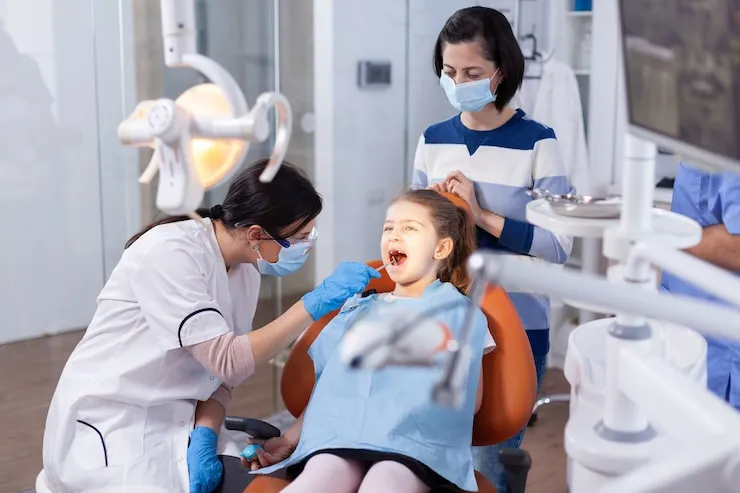
Your child’s teeth need care from the moment they start to grow. Good dental habits formed early help stop tooth decay, gum problems, and costly dental treatment later in life. When children learn to care for their teeth properly, these habits stick with them forever. If you are looking for professional help with children’s dentistry in Windsor, working with an experienced dental team makes a real difference for your child’s tooth health.
Why Starting Early Matters
Caring for baby teeth is very important, even though they will fall out. Baby teeth act like guides for adult teeth to grow in the right place. When baby teeth decay or disappear too soon, permanent teeth may come in crooked or crowded. Your child’s dental health also affects how they eat, speak clearly, and feel good about themselves at school. Starting good habits when kids are young creates a foundation for healthy teeth throughout their entire life.
Common Dental Issues in Children and How to Prevent Them
Kids often face tooth troubles, which parents should be aware of. When you understand these problems, you can catch issues before they worsen.
Tooth Decay and Cavities
Tooth decay starts when sugar in the mouth feeds harmful bacteria. These bacteria make acid that eats away at tooth enamel, which is the hard outer layer. Your child can get cavities in both baby teeth and adult teeth. You can prevent cavities by reducing sugary snacks, brushing teeth twice a day, and visiting the dentist regularly. Tips for maintaining children’s oral health include limiting juice, soda, and candy between meals. Water is always the best choice for drinking.
Gum Disease in Kids
Red or puffy gums, or gums that bleed when brushing, are warning signs. Gum disease often happens because children are not brushing or flossing correctly. Teaching your child to clean between their teeth stops harmful bacteria from building up. Taking care of gums now prevents serious problems when your child grows older.
Teeth That Are Crowded or Crooked
At times, a child may have a crooked tooth. Either it occurs naturally, or they fall out too soon. When teeth are crowded, it can be harder for your child to clean them. Ultimately, it might lead to braces later. One important reason is to identify problems at an early stage, giving us a greater chance.
Tooth Grinding at Night (Bruxism)
Many children grind their teeth while sleeping without realizing it. This action wears down tooth enamel and can cause jaw pain or headaches. Stress, allergies, or sleep issues often cause grinding. Your dentist can make a special night guard if your child grinds their teeth a lot.
Essential Daily Habits for Healthy Teeth
Brushing Teeth the Right Way
Brush your child’s teeth two times every day for two minutes each time. Use a soft toothbrush and a small amount of fluoride toothpaste – about the size of a pea. Brush gently in circular motions, not back and forth. Help younger children brush their teeth until they turn about eight years old. Common dental issues in children and how to prevent them often start with teaching the correct brushing method from a young age.
Flossing Is Just as Important as Brushing
Many parents forget about flossing, but it matters just as much as brushing. Floss removes food and plaque stuck between teeth where the toothbrush cannot reach. Start flossing when your child has two teeth touching each other. Flossing every day stops tooth decay and keeps gums healthy. You can make flossing fun by letting your child pick colourful floss or special floss picks that they like.
Healthy Foods Keep Teeth Strong
What your child eats directly affects their teeth and gums. Sugary drinks and foods are feeding the cavity-causing bacteria. Opt for giving your child water, milk, cheese, or fresh fruit instead of sugary drinks. Fruits and vegetables help in naturally cleaning your child’s teeth when they eat them. Save the sweet stuff until mealtime when your mouth makes more saliva to protect your teeth.
Regular Visits to the Dentist
Plan dental check-ups every six months, or more often if your dentist suggests it. These visits catch problems early when they are easier and cheaper to fix. Children’s dentistry near you should include professional cleanings that remove buildup your toothbrush cannot clean. Your dentist can also put a special coating on teeth to make them stronger against decay.
Helping Your Child Feel Comfortable at the Dentist
Many children feel worried about going to the dentist. Making dental visits normal and positive helps kids feel less afraid. Talk about dental visits in a calm and matter-of-fact way, just like any other doctor’s appointment. Let your child visit the office and meet the team before any work is done. Always praise your child for being brave and doing their best during appointments. A dental office near you that works with children knows how to make young patients feel safe, welcome, and relaxed during their visits.
Protecting Your Child’s Smile for the Future
Your child’s dental health today will form the foundation for their smile tomorrow. Adopting healthy habits now will lead a child to fewer problems in the future. To maintain robust and beautiful teeth, it is important to brush them as regularly as possible, floss the teeth, and consume healthy food, as well as visit the dentist in a timely manner. By following these easy steps, you can help your child’s teeth stay healthy through childhood and adulthood.
Schedule your child’s dental appointment at Odonto Dental today! The kind staff knows what children need to feel at ease during a dental visit. Our goal is to build healthy habits for children with the hope that they last a lifetime. Consequently, our young patients leave with healthier smiles and a brighter future.
Ready to support your child’s healthy smile? Get directions to Odonto Dental and book a children’s dental visit today.
Questions Parents Often Ask
When to take a child to the dentist for the first time?
Most dentists will tell you that your child should see a dentist around age one, or after their first tooth appears, whichever comes first.
How much toothpaste should a young child use?
For children under three years old, use a grain-of-rice amount; for children three to six, use a pea-sized amount.
Is it normal when baby teeth get wobbly and fall out?
Definitely. Baby teeth become loose and fall out naturally between the ages of 6 and 12 years. They fall out for the permanent teeth to erupt; the permanent teeth replace the baby teeth.
What should I do right away if my child chips or loses a tooth?
Call your dentist in Windsor immediately, as quick action can sometimes save the tooth or prevent future problems.