
Losing a tooth is not simply a cosmetic issue; it can surreptitiously affect bone loss in your jaw. Once a tooth is removed, the bone underneath will start to atrophy. Over time, this alters your facial structure and can weaken the teeth on the sides of the extraction site, potentially leading to complications with eating and speaking.
It’s shocking to think that losing one tooth can cause such a domino effect in your mouth. However, you are not alone in your plight.
Many people experience jawbone loss, unaware that it is happening until it is nearly impossible to rectify. That’s when opting for a Dental Implant in Windsor isn’t just about replacing a tooth, but it is about reinforcing the foundation of your mouth before the foundation crumbles.
Why Does Bone Loss Happen After Tooth Loss?
The jawbone depends on stimulation from the root of the tooth for its health. Once that stimulation goes away, the body gets rid of the bone tissue in that area. This is called bone resorption.
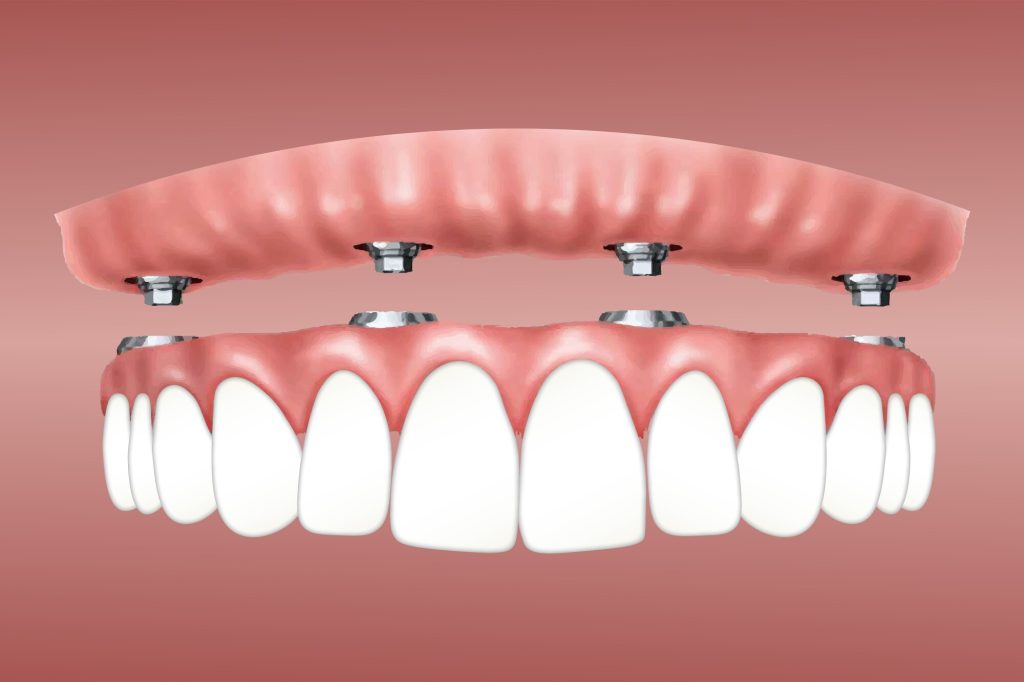
Unlike bridges or dentures, dental implants are the only tooth replacement option that replaces both the crown and the root, and this root-like structure is what keeps the bone vibrant and strong.
How Does Enamel Erosion Affect the Foundation?
To understand oral health fully, it’s important to look at how teeth weaken over time. It all starts with the process of enamel demineralization, which occurs when acids, either from food or bacteria, dissolve the minerals in your tooth enamel.
If left unchecked, this leads to cavities, sensitivity, and even tooth loss, which continues the cycle of damage and leads to bone loss if the tooth isn’t saved or replaced in time.
How Do Teeth Lose Minerals?
Acidic food, sugary drinks, and poor oral hygiene all play a role in how teeth lose minerals. When acids lower the pH level in your mouth, minerals like calcium and phosphate dissolve from your enamel.
A tooth under constant acid attack is vulnerable to decay, cracks, and eventual extraction. Once that tooth is gone, the surrounding bone begins to deteriorate rapidly.
Reversing Early Damage Before It’s Too Late
Fortunately, early-stage enamel damage can sometimes be reversed. Reversing early tooth decay is possible with good habits, fluoride exposure, and prompt care.
If decay reaches deep enough to require extraction, then the focus shifts to replacing the tooth immediately, ideally with a dental implant to prevent bone loss.
What Foods Help Protect Enamel?
Eating the right foods can slow or even halt the progression of enamel damage. Foods that remineralize teeth include:
- Dairy products rich in calcium (milk, cheese, yogurt)
- Leafy greens like kale and spinach
- Almonds and other nuts
- Green tea (contains compounds that limit bacterial growth)
- Phosphorus-rich foods like eggs and meat
A healthy diet also promotes saliva production, which naturally protects enamel and helps keep your oral pH in balance.
The Role of Fluoride in Enamel Repair
Fluoride is essential when it comes to stopping decay. Fluoride treatment for enamel repair works by helping minerals return to weakened enamel, making teeth more resistant to future acid attacks.
Dentists may recommend fluoride varnish, prescription toothpaste, or in-office applications to boost protection and prevent the need for future tooth removal.
What Are the Signs of Enamel Erosion?
Understanding the early signs of enamel erosion can help you act before major damage occurs:
- Tooth sensitivity (especially to hot or cold)
- Yellowing teeth (as enamel thins, the dentin shows)
- Cracks, chips, or rough edges
- Rounded or cupped areas on the chewing surfaces
- Increased tooth transparency at the edges
Ignoring these symptoms may result in permanent tooth loss and the bone loss that follows.
Why Maintaining Balanced Oral pH Matters
Acid levels in the mouth influence enamel health and bacterial growth. Maintaining a balanced oral pH helps prevent enamel demineralization and keeps your teeth safe.
Rinsing with water after meals, avoiding acidic snacks, chewing sugar-free gum, and brushing with pH-friendly toothpaste can all support a healthier mouth environment.
How Do Dental Implants Prevent Bone Loss?
When a dental implant is placed, a titanium post is inserted into the jawbone where the tooth used to be. This post functions like a natural root, signalling to your body that the bone is still needed.
Unlike dentures that sit on top of the gums, implants stimulate the jawbone and keep it from shrinking, which is why implants aren’t just a cosmetic fix; they protect the structure of your face and bite.
A dentist in Windsor will assess the condition of your jawbone to determine if you’re a good candidate for implants. If there has already been some bone loss, grafting procedures may be available to rebuild the area before implant placement.
Final Thoughts
Losing a tooth can lead to a chain reaction of problems, including enamel erosion, mineral loss, decay, and eventually, the slow disappearance of your jawbone. Once the foundation is gone, repairing the damage becomes more complex, painful, and costly.
Don’t Wait Until Your Jawbone Disappears.
The longer you delay, the more you risk needing extensive treatments just to restore basic functions like chewing or speaking. Dental implants do more than restore your smile; they protect your long-term health.
Protect your oral health before it’s too late. Schedule your dental implant consultation today with Odonto Dental, where prevention, restoration, and expert care meet in one place.